Do
you like to go away often? A pet ties you down. It is a responsibility. Suitable
arrangements must be made for it if you are not there.
 Is
it hard to balance the budget? If so, look carefully into the cost factor first. Kittens
and puppies are often advertised as "free" but the food and veterinary care they
will need is anything but free! People who give you a puppy or kitten for a present do not
always stop to think that their well-meaning `gift? is going to cost you, the
receiver, a considerable sum of money to vaccinate, de-sex and (if a puppy) to register!
Is
it hard to balance the budget? If so, look carefully into the cost factor first. Kittens
and puppies are often advertised as "free" but the food and veterinary care they
will need is anything but free! People who give you a puppy or kitten for a present do not
always stop to think that their well-meaning `gift? is going to cost you, the
receiver, a considerable sum of money to vaccinate, de-sex and (if a puppy) to register!
Do you really want a pet? Many parents
decide to get a pet because the children press for one, but pets are not toys to be cast
aside or given away when the novelty has worn off. It must be realised that the
responsibility for the welfare of that pet lies with the parents - usually mother!
Some parents expect their children to look
after their pets themselves, but such responsibility should never be placed upon young
children. By all means encourage them to help, but when daily routine tasks become a
?must? they are often resented, and it is the pet that suffers. Even older
children need reminding from time to time as other interests take precedence.
The best way for a child to learn about the
care animals need is by example, but in order to set that example, parents themselves have
to want the pets as part of their family and enjoy caring for them.
Children who observe their parents feeding
the cat, walking the dog, going to the vet and so on, will grow up accepting that this is
all part of normal family life - caring for each other. In fact, it is the same care that
they themselves receive from their parents. This is the most basic lesson which children
can begin to learn from their earliest days. By observing the family pets receiving love
and care they are learning a valuable lesson without realising they are being taught.
So when it comes to making a decision - to
have or not to have a pet - remember that the person who will do most of the work and who
must accept the responsibility for that pet is YOU. Think about it carefully.
- REMEMBER A PET IS FOR LIFE
- NOT JUST FOR CHRISTMAS
- WHEN TO HAVE A PET?
Some of you who love animals may be looking
forward to the day when you will have one, but that time is not right now. This is because
owning a pet means investing time and money in its care.
Cute kittens must have their litter boxes
cleaned regularly, need several small meals each day and must have vaccinations each year.
Cuddly puppies must be trained, walked regularly, and licensed - and forgiven for muddy
paws now and then.
Cute kittens and cuddly puppies grow into
cats and dogs, that will breed many more cute kittens and cuddly puppies unless you spay
and neuter them in good time. So, if you are a compassionate and responsible person, you
will wait until you are in a position to give your pet the care and attention it will
need.
In the meantime, wild creatures may provide
some interest and pleasure. A bird table is decorative and even the smallest child can
help to feed the birds. A trip to the local park to feed ducks and swans is a delight to
most children and from such simple pleasures an interest and concern for living creatures
can evolve.
WHAT SORT OF PET SHALL WE HAVE?
For some people this question poses no
problem. They have had pets before, they know what they want and what is involved. To
others, especially those who are not accustomed to sharing their homes and lives with
pets, the answer requires some thought.
Dogs and cats are by far the most popular
pets. They play a larger part in family life and children have constant contact with them.
Physical contact is important to them. Remember how a cat purrs when you stroke it?
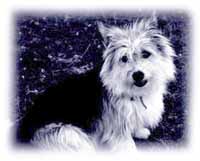
A dog is the most demanding of the domestic
pets - and it is also the most expensive, on top of which it needs training, companionship
and regular exercise. It is important to select the right type of dog for your lifestyle
and conditions. Small or large, lively or placid, short coat or long?
Perhaps a cat would be more suitable? Puss
will eat less and no registration fee is involved. Neither do you need to take it for its
daily exercise. Cats need care and affection, but they are less demanding and less
expensive to keep than dogs.
Bear in mind the life span of the animal
you are contemplating. Dogs and cats often live for 12 to 15 years or longer, by which
time your children may have left home, so are you happy to keep the pet to the end of its
days?
If a dog or cat is not for you, then
perhaps a bird? Budgies, canaries and cockatoos and so on make interesting pets and can be
very responsive to human contact. Birds are, of course, much happier living in an aviary
than in a cage.
Rabbits, guinea pigs or mice may appeal?
Some children may enjoy a decorative tank of fish, or a turtle. All need suitable cage or
tank accommodation, and daily feeding and cleaning.
Whatever pet you decide upon you are making
a commitment. Every year thousands of pets, particularly dogs and cats, are put to death
not because they are ill, or old, or because they have done anything wrong, but because
the novelty has worn off and they have become inconvenient. Think about it carefully.
Information leaflets on all aspects of pet
care are available from your local Branch or from RSPCA National Office, PO Box 15-349,
New Lynn Auckland 7.
WE SPEAK FOR THOSE
THAT CANNOT SPEAK FOR THEMSELVES
 Are you very
house proud? Pets such as dogs and cats bring in mud and leave hairs on the carpets and
furniture. Young animals need housetraining, while birds spill their seed all over the
place. Young dogs are often destructive, they chew things and dig holes in the garden.
People who are used to animals take such things in their stride, but we are not all cast
in the same mould and sometimes a family finds itself in considerable strife over such
issues.
Do you live in a
rented property? If so, you may need to postpone obtaining a dog or cat until you own your
own home. Some landlords will allow a dog and many more will allow a cat, but the problem
may come when you have to move and the next landlord has a ?No Pets? clause in
his agreement. A pet is not a disposable item, it is a member of your family, so bear this
in mind if you are renting a home.
Are you very
house proud? Pets such as dogs and cats bring in mud and leave hairs on the carpets and
furniture. Young animals need housetraining, while birds spill their seed all over the
place. Young dogs are often destructive, they chew things and dig holes in the garden.
People who are used to animals take such things in their stride, but we are not all cast
in the same mould and sometimes a family finds itself in considerable strife over such
issues.
Do you live in a
rented property? If so, you may need to postpone obtaining a dog or cat until you own your
own home. Some landlords will allow a dog and many more will allow a cat, but the problem
may come when you have to move and the next landlord has a ?No Pets? clause in
his agreement. A pet is not a disposable item, it is a member of your family, so bear this
in mind if you are renting a home.